A Reminder to Me: John M. Perkins and the Way we Give to Live
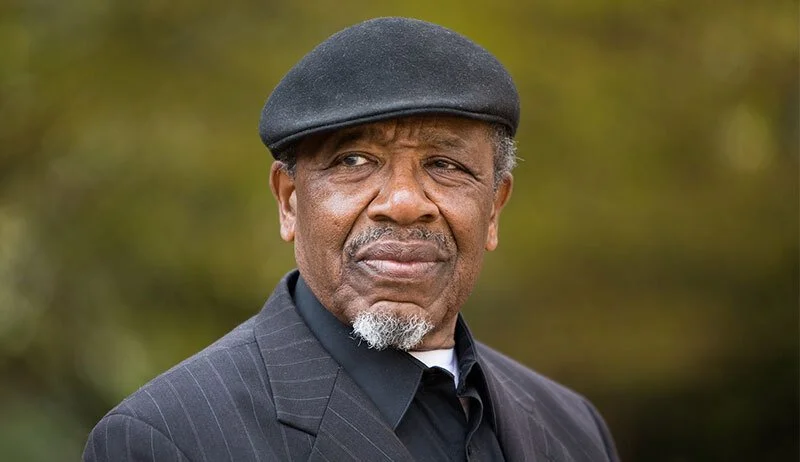
John M. Perkins
This month, it was humbling to learn for the first time—from two distinct people, in different U.S. states and of very different backgrounds—about the life and legacy of John M. Perkins. He passed away on March 13, 2026. This is a person whose story I did not know, and I’m glad I do now. As we look to the concept of sacrifice for others behind the Easter season, whether one celebrates or not, I reflected on the distance between my own stated values and the way I act in the world.
Driven by his faith, John M. Perkins worked in communities across the country as a believer in reconciliation and civil rights. He and his wife Vera Mae committed to being in community with those around them, not abstractedly calling for social change. His family relocated from California to work in the South near where he’d grown up, to be present with the people with whom he would dedicate his life.
There, they worked for an inclusive reconciliation and redistribution that was about people having full, economically independent lives, rather than pure wealth distribution. His ministry in Mississippi established a health center, cooperative farm, and adult education programs while training new leaders.
This summary cannot do justice, but I was struck by how much his teachings about living in community and sharing our time, energy, and skills with those around us reminded me of the concept of faith articulated by Fyodor Dostoevsky in The Brothers Karamazov. There, the spiritual voice of the book, Father Zosima, counsels that faith is found in the everyday way we love and care for our immediate neighbors and are present in action with them, not in abstracted ideals.
That lesson of faith through immersive everyday acts with the people one knows or already comes into contact with has been influencing how I think since I read it a few years ago. That a 19th century white Russian author and philosopher known as conservative and a 20th and 21st century black American civil rights servant leader arrive to a similar understanding of meaning and how to be in the world resonated. These two each make their compelling case that love is expressed through relationship, giving of skills and capacity, and even sacrifice.
In a recent real-life example of people I am in relationship with, I was struck while I was volunteering for employment re-entry in my community where it was me receiving the gift of perspective. That day I was feeling under the weather and was thinking, ‘maybe not today’ for the weekly volunteer commitment I had made.
Yet in showing up, I was reminded how much people are giving even from a life that is not particularly wealthy or privileged as society defines it. I observed one of the leaders putting in extra hours and extra care with participants. Like John M. and Vera Mae Perkins likely would have done, this leader was asking enthusiastically about the successes of several of the program participants.
The interaction was the kind of encouraging active listening and conversation that makes people feel heard and seen, and I believe those participants were feeling more fully human from the community this leader was building with them right in those moments. That might seem small, but when I think about my tough days and what a difference that can make, I think this attention and human conversation can turn our day and even our week and month around.
And here’s the thing: this leader had been a program participant themselves in the not-too-distant past. That means that this leader did not come from a place of prosperity and wealth. It means they too likely have had financial challenges and a life that is not full of leisure, yet do this work and offer extra attention and moments to be in community with curiosity and love.
Reflecting on it, now with the perspective of John M. Perkins that I am growing in awareness of, it is teaching me to evaluate how I am living my stated values. I listen to podcasts about investing, and the people interviewed are on the “high” end of the wealth and conventional privilege spectrum. Repeatedly, I hear that at least as much as those participants in the program where I volunteer, the wealthy investors are looking for their meaning in the world.
In comparison with those podcast guests, I like to think in a self-satisfied way that my consulting practice is a public-interested one with meaning. That may be true, but it is not public-interested the same way I see from people with much less wealth as traditionally defined. Our history and those who come before like John M. Perkins require that I should challenge myself to see my practice increasingly as immersive instead of as a technical “job.” The leaders I see in volunteering in my weekly life also offer those lessons.
Taking up this challenge is difficult for me as an introvert. I have had that luxury to step back when I’ve wanted, thinking well of myself. But if I can keep working to involve myself, sharing my energy and the gifts I have through presence, putting others first, and even sacrifice, I will be expressing my values through my actions better. In this season, John M. Perkins has shown me how people already in my life are examples to follow.