Savvy Allies
This month I had the pleasure of attending the 25th North Carolina Main Street Conference in New Bern, North Carolina. Speaking on “Leadership in Communities”, specifically how to invest in partnership strategy and communication to achieve great outcomes, I also enjoyed the two full days with local government leaders and hundreds of professionals who care deeply about their communities.
Main Street and downtown leaders are those charged with ensuring a successful, economically vibrant community core. For readers less familiar, they have a broad mandate that includes economic vitality, design, organization, and promotion benefiting the downtown area and its businesses and organizations.
As I spoke about, community leaders, and in this case Main Street leaders, can be catalysts for broad community development and cooperation that improves the quality of life for the entire city and region. Consider them as potential savvy allies in your community work.
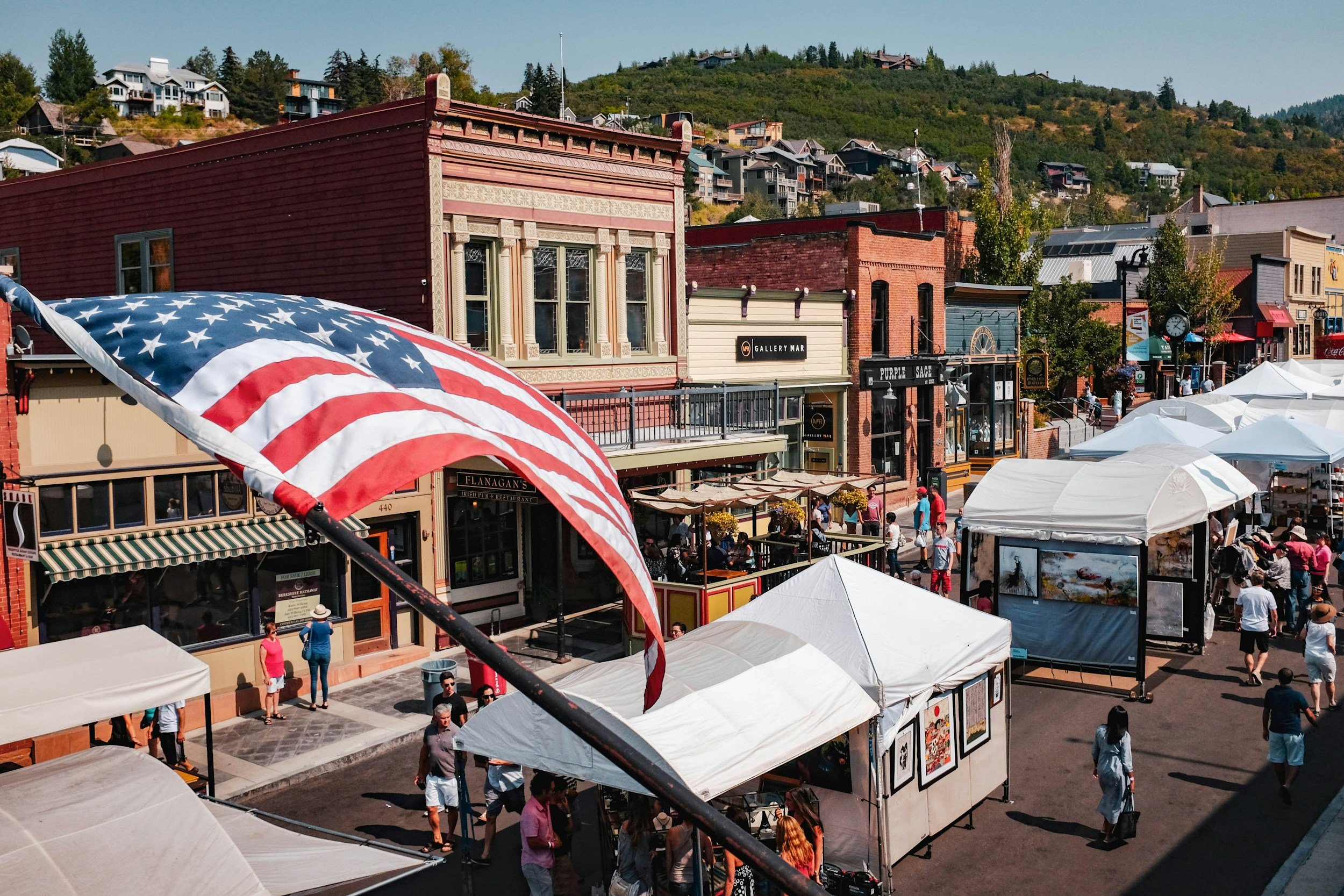
When Main Street leaders create spaces and events that bring people together, that’s a huge win for communities. Consider all the recent news articles on the lack of third spaces: a real need exists for our human connections in this divided world.
Then, while improving quality of life in these ways, downtown organization leaders also help bring serious money through redevelopment. A downtown’s economic activity and tax value on a per-acre basis is very high, as shown in a presentation by Urban3 consultants out of Asheville, NC (though there are many layers to this, suffice to say that in general, American cities can benefit from more infill development).
Finally, at their best, Main Street leaders are among the parties pulling together our people to think about issues such as housing, childcare, taxes and equity, and workforce and education. Our downtown areas depend on, and reinforce, progress here.
The reason these Main Street leaders can be so effective in this last category, this synthesizing community development work, is that they are charged to be not merely planners, nor financiers, nor marketers, nor organizers of communities. They must work across these disciplines.
To put it another way, just like in these stories of challenges and successes in systemic community development, a dynamic downtown area leader can work with local businesses and other leaders to build consensus and win greater positive changes.
Our country needs more of this kind of trust-building work. When Main Street leaders invest in their own organizational and communications “infrastructure,” i.e. strategy and capabilities, they can achieve more greater impact and success in their events, redevelopment, and broader local objectives.
This means Main Street leaders following a disciplined and thoughtful game plan to ensure their “team,” i.e. their close allies, are organized and will show up at the pivotal moments of decision. It means using data, relevant messaging, and effective communication strategies to promote their good work and the goal they want to win. That’s how the expert professionals do it when they are building the partnerships they need.
And it is how the most effective leaders win new redevelopments, events, parks, housing, and even policy changes. Leaders are leaving wins on the table when they neglect these strategic considerations and overly focus on site plans, financials, or pure event logistics—as important as those are.
In my conversations with Main Street leaders over the past week, I was energized by their civic purpose. There was a lot of genuine commitment to do well by their communities, and it is wonderful to be with people wired that way. While offering tools to help them achieving more of their goals, I must at the same time say I am a fan of the events Main Street organizations put on, which bring all kinds of people together in affordable, wholesome fun.
Spring is almost here, so join me in getting to these events in your gathering places. While you’re there, consider for a moment how we can work together on the needs of our people and communities. Make a human connection with someone you did not know before. And for both the light-hearted events and the more systemic work together, consider how your local downtown organization leader can contribute.