In the Time of the Blockades
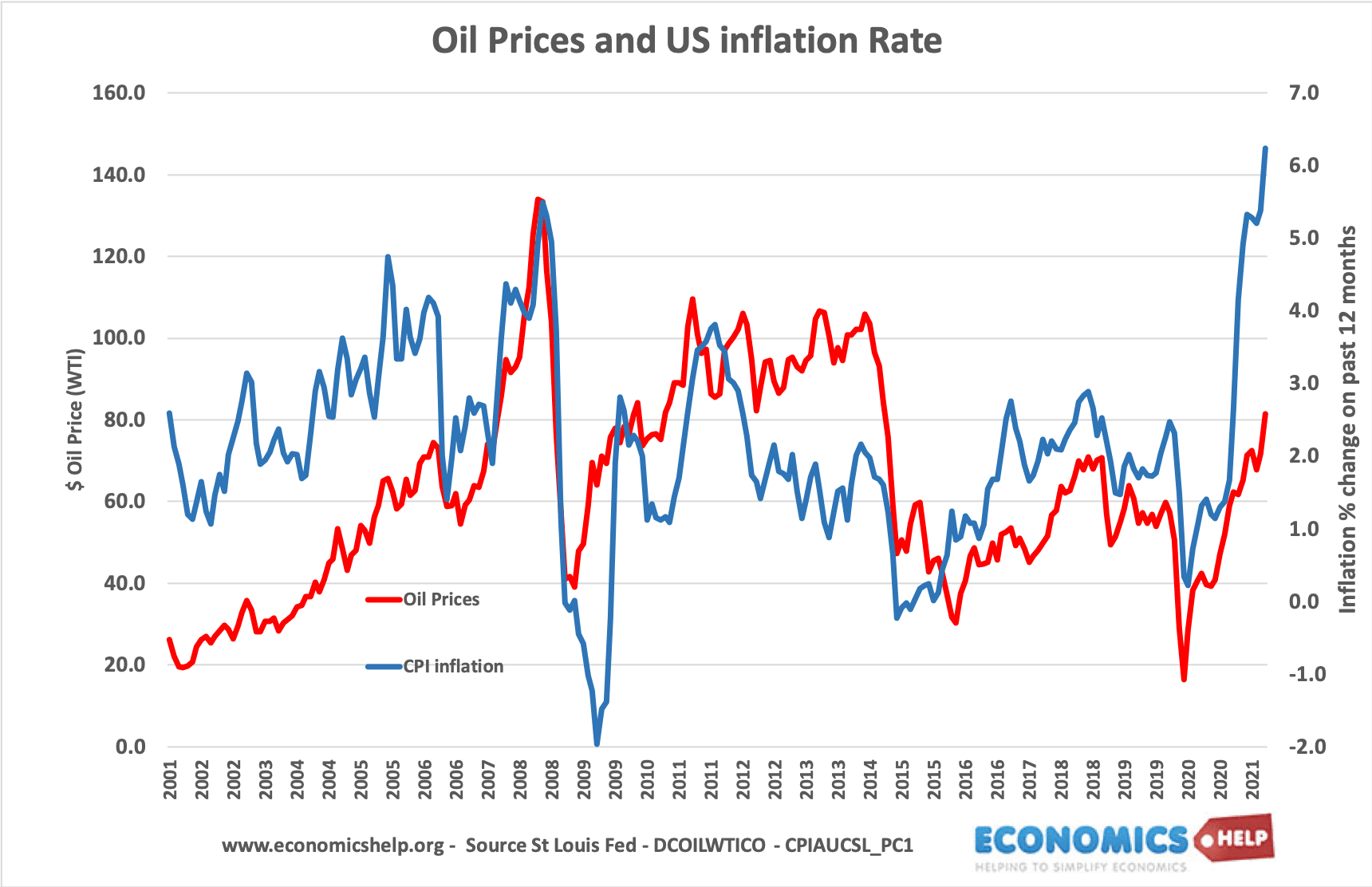
Correlation of Oil Prices with % change in Inflation over 12 Months, 20-year Timeframe
In July 2025, I wrote that community development leaders should stop waiting for interest rates to return to historic lows and start making prudent decisions within the reality they had. That advice has not changed. The Iran conflict and its effects on oil, fertilizer, and other critical product markets have added new pressure to an environment that was already asking a lot of organizations.
Given that this shock arrives alongside inflation that the Fed was not done fighting, the case for meaningful rate cuts in the near term is weaker than it was even six months ago. Plan for rates to stay in this range. That is the operating environment.
Setting aside the macro analysis, I want to focus on what this means for community development organizations’ operations in the near term. Economic shocks like today’s raise costs across the board, and may continue to, as the historical chart shows above. This includes construction, transportation, the operating budgets of the small businesses and even funders who may see constriction of endowment returns and contributions from this point forward.
So what do you do with that?
· First, communicate clearly with your board and leadership team. Boards that were expecting an ‘economic uptick’ story need to hear a different one that reflects the likely realities. That is an uncomfortable conversation, but it is better to have it now than to manage a gap later. Boards that understand the environment can help. Boards that are operating on outdated assumptions cannot. The same goes for executive teams.
· Second, revisit your capital stack with fresh eyes. If your development pipeline includes projects underwritten at rate or fundraising assumptions that no longer reflect reality, now is the time to stress test them, i.e. to know what they can absorb and what they cannot. The organizations I have seen struggle most are the ones that kept the old assumptions in place and were surprised later. The ones that revised early had more options.
· Third, a higher-for-longer rate environment rewards discipline. That means having the courage to say “no” to projects or programs that only work at a rate or growth scenario that is not coming. However, selectivity isn’t the same as inactivity. Organizations that go quiet during difficult cycles lose relationships, lose staff, and lose ground that is hard to recover. Selectivity is not the same as inactivity.
· Fourth, deepen your private sector partnerships. I wrote about this in July and it is truer today. Federal community development investment is under pressure and will take time to stabilize. Private sector capital is available, but it comes with conditions and with partners whose interests are not automatically aligned with yours. The organizations that are building those relationships now, carefully and on terms that protect their mission, will be better positioned than those who wait until they need capital urgently and have less leverage to negotiate.
· Fifth, take a hard look at operating costs yet invest in your staff and organizational development. This is counterintuitive in a constrained environment, but the organizations that come out of difficult cycles well are almost always the ones that retained their best people through them. Keep your leaders who are dynamic and can put new approaches together, who are not afraid to have vulnerable conversations to get to a better outcome. Compensation, flexibility, meaningful work, and clear leadership all matter. The cost of losing an experienced staff person and replacing them is far higher than most organizations calculate when they are thinking about budget cuts.
Our ongoing environment is not a moment for paralysis, as I wrote about in January of this year even before our country bombed Iran. The community development sector has operated through difficult economic environments before. The work does not stop being necessary because it got harder to finance. Families still need affordable housing. Small business owners still need capital and technical assistance. Community anchors still need support.
What changes may be the approach: Tighter analysis; More creative approaches; Stronger partnerships with new ideas; Better operating discipline. Those are not bad things to build into how an organization runs. In some ways, a constrained environment clarifies what matters and what does not. Have your board, a colleague, or an advisor help think about this with you so it seems more possible. Bring a level of clarity and analytical assessment to keep the organization sustainable but retain the core values and most fundable work.
There could be a medium-term reduction in growth from this conflict. Or AI spending will wash through the economy and everything will run hot. All evidence points to more of what we’ve seen post-pandemic, with shocks continuing and the operating environment muddling along. No one knows, especially in this day, yet you can still take an intentional approach planning this year looking into next. Work in the environment we have, lean on your advisors, and maintain the clarity required to keep your mission sustainable.